SGI Compliance takes a big step in educating locals in Serbia on the health risk and awareness regarding asbestos in association with The Serbian Demolition Association (SDA). Our local team is organizing asbestos awareness information sessions but also in-depth education and training for working professionally with asbestos: certified asbestos surveys, accredited laboratory analysis of asbestos […]
In the real estate sector in the Netherlands we have to deal with various obligations, laid down in laws and regulations. Think of usage permits or demolition permits, but also inspections due to insurance requirements in relation to: fire safety, electrical inspections, elevator safety, etc. Building owners have various inspections carried out in their real […]
Since the corona pandemic has taken over our country, the number of Legionella infections has risen sharply. Due to government restrictions, many educational institutions, gyms, hotels, swimming pools and other organizations have been closed. This vacancy gives the Legionella bacteria the opportunity to attach and grow in the pipe network. Corona is currently the danger […]
Identifying asbestos-containing materials with the naked eye is almost impossible. More than 3,500 applications are known. In the past, asbestos-containing material has been widely used in factories, schools, flats, homes, offices, hospitals and sheds. But asbestos is still regularly found in ships, trains, cars and roads. New applications are discovered every year that had not been recognized as asbestos until that time.
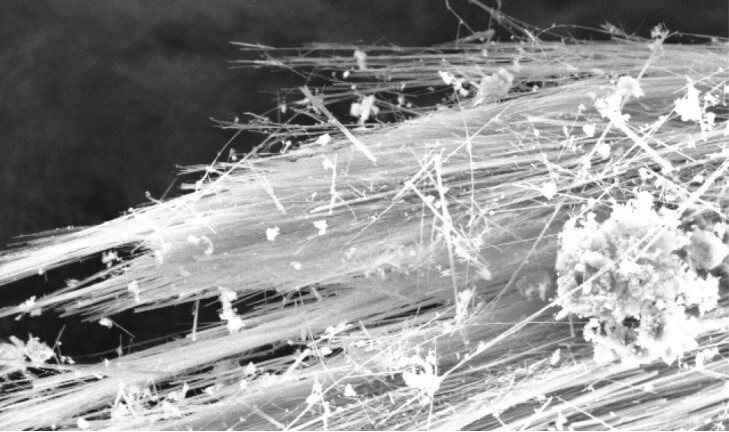
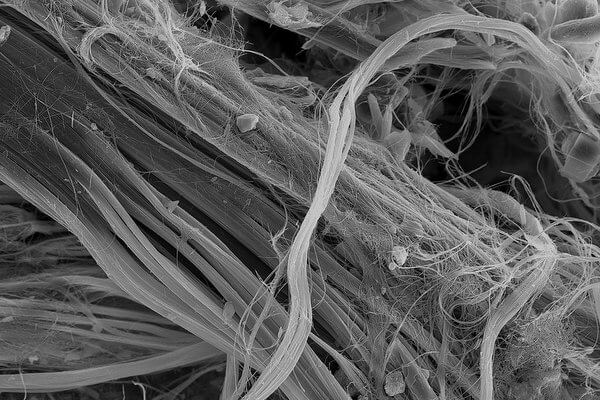
However, asbestos does not mean a single raw material, it is a collective name for several raw materials. These substances have in common that they are made up of microscopic fibers that are not visible to the naked eye. It is precisely these fibers that have given asbestos its infamous image: when these small fibers enter the body through the airways, they can lead to serious illnesses in the long term. Often, disorders do not manifest until years after the actual exposure. That is why exposure to asbestos from the last century still leads to many deaths.
There are two types of asbestos applications: bonded and non-bonded. With tightly bound asbestos, the asbestos fibers are firmly fixed in the material, such as cement, and they only come loose when the material is processed, burned or broken. With non-bonded asbestos (sometimes also called loosely bound asbestos), the asbestos fibers are not attached to the material and are easily released.
Material containing asbestos often has a fibrous structure. This can be seen on fracture surfaces and when the material is damaged. Asbestos can have different colours, the final color of the application depends on the binder. The underlayer of a floor tarp, for example, is off-white, while a windowsill is often grey/black. If you want to be sure whether a certain material contains asbestos, you should have it examined by an accredited laboratory that specializes in performing material analyses.
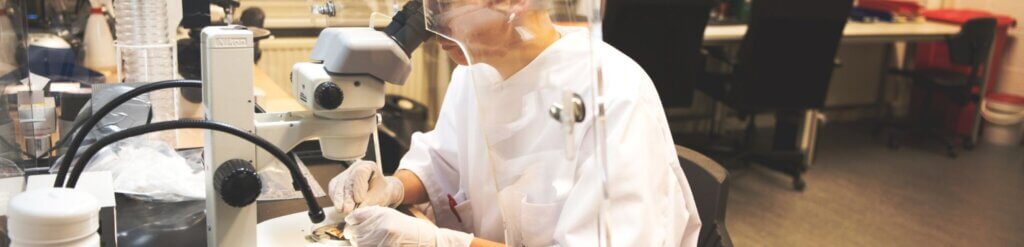
SGI Compliance Environmental Control is an international microbiology, environmental and asbestos laboratory. In the asbestos laboratory we analyze asbestos samples and ceramic fibers from all over the world. In the microbiological laboratory we perform analyzes such as Legionella and other parameters in water as well as air and hygiene research.
Have a sample of asbestos suspicious material examined?
Heb je het vermoeden dat er mogelijk asbest is verwerkt en wil je dit makkelijk uitsluiten? Bestel dan een analyse via onze webshop, verstuur een klein stukje materiaal naar ons laboratorium en wij zoeken het voor je uit.